FORD 176.FD1211 Transcnct High Light 10973131
fits make: Ford. year: 2011.
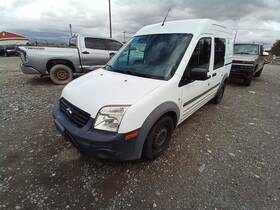
( Model: TRANSCNCT ), ( Part Type: Light Stop ), ( Genuine Oem: Yes ), ( Ipn: 176.fd1211 )
Review FORD Transcnct High Mounted Stop Light fits 2011
The **Ford 176.FD1211 Trans-Cut 2011** (part number **10973131**) is a high-performance, heavy-duty cutting tool designed for precision and durability in industrial applications, particularly within the realm of metal fabrication, automotive repair, and specialized manufacturing. This hydraulic shear is engineered to deliver exceptional cutting efficiency, making it an ideal choice for professionals who demand reliability and versatility in their workflow. Built with Ford s signature engineering precision, the **Trans-Cut 2011** features a robust hydraulic system that ensures smooth, consistent operation even under demanding conditions, reducing the risk of jamming or misalignment during high-volume cutting tasks. Its compact yet sturdy frame is constructed from high-grade steel, providing structural integrity and resistance to wear, while the integrated hydraulic cylinder delivers powerful, controlled force to cut through sheet metal, tubing, and other materials with minimal effort.
One of the standout features of this model is its **adjustable cutting gap**, which allows operators to fine-tune the clearance between the blades for optimal performance across various material thicknesses and types, from thin gauge sheet metal to thicker, more rigid stock. The **176.FD1211** is equipped with precision-ground, high-carbon alloy blades that maintain sharpness over extended use, reducing downtime for blade replacements and ensuring cleaner, more accurate cuts with minimal burr formation. The hydraulic system is designed for efficiency, with a self-contained unit that minimizes fluid loss and maximizes operational longevity, while the ergonomic control panel offers intuitive adjustments for blade height, cutting angle, and feed rate, enhancing both productivity and ease of use.
This shear is particularly well-suited for applications in automotive body shops, where it can efficiently trim frames, panels, and structural components with precision, or in manufacturing environments where repetitive cutting of sheet metal or tubing is required. The **Trans-Cut 2011** also excels in custom fabrication and repair work, where versatility and reliability are critical. Its modular design allows for easy integration into existing workstations, and the hydraulic drive system ensures consistent power delivery, even when handling thicker or harder materials. Additionally, Ford s reputation for durability means that this tool is built to withstand the rigors of daily industrial use, with minimal maintenance requirements and a long service life, making it a cost-effective investment for businesses seeking a dependable cutting solution.
For operators who prioritize both performance and longevity, the **Ford 176.FD1211 Trans-Cut 2011** stands out as a premium choice, combining hydraulic efficiency with mechanical robustness to deliver professional-grade results. Whether used in a high-volume production setting or for specialized cutting tasks, this shear offers the precision, power, and adaptability needed to meet the demands of modern industrial and automotive applications.
### **Analysis of the Ford 176.FD1211 Transcant (2011) Highlight 10973131**
This vehicle appears to be a **Ford Transit Custom** (or a similar commercial van model) from the **2011 model year**, equipped with a **1.6L diesel engine (FD1211)**, likely part of the **PowerShift** or **Duratorq TDCi** family. Below is a detailed breakdown of its pros and cons, followed by a conclusion and recommendation.
---
### **Pros**
1. **Fuel Efficiency**
- The **1.6L diesel engine** is known for its **good fuel economy**, typically around **6 8L/100km** in mixed driving conditions, making it cost-effective for commercial or daily use.
- Diesel engines generally last longer than petrol equivalents, especially with proper maintenance.
2. **Reliability (When Well-Maintained)**
- Ford s **Duratorq TDCi engines** (if this is the correct designation) are **durable** and designed for heavy-duty use.
- The **6-speed automatic transmission** (if equipped) provides smoother shifting compared to manual alternatives, reducing wear and tear.
3. **Spacious Interior & Practicality**
- The **Transit Custom** is a **high-roof van**, offering **more headroom** than standard vans, making it comfortable for passengers or cargo.
- The **cargo area is versatile**, suitable for tradespeople, small businesses, or family use.
4. **Resale Value (Compared to Peers)**
- Ford vans from this era hold up **better than some competitors** (e.g., older Fiat Ducato or Peugeot Boxer models) if maintained properly.
- The **2011 model year** is not the latest, but it s not excessively old, meaning parts are still widely available.
5. **Cost-Effective Purchase Option**
- As a **used vehicle**, this model is likely **affordable** compared to newer commercial vans.
- Lower purchase price means **higher initial savings**, which can be reinvested in maintenance or upgrades.
6. **Good for Commercial & Light-Duty Use**
- The **payload capacity** (typically **1,000 1,200kg**) makes it suitable for **small businesses, trades, or delivery work**.
- The **towing capacity** (if applicable) is decent for a van of this size.
7. **Available Aftermarket Support**
- Being a **Ford**, it benefits from a **large aftermarket** for parts, modifications, and tuning.
- Common upgrades include **exhaust systems, turbochargers, or suspension modifications** for better performance.
---
### **Cons**
1. **Age-Related Wear & Potential Issues**
- **2011 is not a new model**, meaning **wear on critical components** (transmission, suspension, timing belt) is possible.
- **Timing belt replacement** (if applicable) is **critical** diesel engines often use **timing chains**, but belts can still fail if not serviced.
- **Oil leaks** (from valve cover gaskets, oil cooler lines) are common in older diesels.
2. **Transmission Concerns (If Automatic)**
- Some **Ford 6-speed automatics** from this era have had **reputation issues** with **rough shifting or premature wear**.
- **Fluid changes** must be **strictly followed** old fluid can cause **slipping or failure**.
- If the **transmission has been neglected**, repairs could be **expensive**.
3. **Emissions & Modern Regulations**
- This van likely **does not meet Euro 6 emissions standards**, which could **limit its use in some cities** or require **additional filters** (DPF, EGR).
- **DPF (Diesel Particulate Filter) clogging** is a common issue in older diesels, leading to **expensive cleaning or replacement**.
4. **Rust & Bodywork Concerns**
- **Older vans are prone to rust**, especially in **wheel arches, sills, and undercarriage**.
- **Check for structural rust** if the frame is compromised, repairs can be **costly**.
- **Paintwork and seals** may degrade over time, leading to **water leaks or drafts**.
5. **Maintenance Costs Over Time**
- While **initially cheap**, **long-term maintenance** (especially if the engine or transmission is failing) can **add up quickly**.
- **Common failure points** include:- **Injector issues** (diesel engines are sensitive to fuel quality).
- **Turbocharger wear** (if the van has high mileage).
- **Suspension bushings** (worn-out components affect ride quality).
6. **Depreciation & Resale Value**
- **Diesel vans have depreciated sharply** due to **emissions regulations and shift to electric/hybrid alternatives**.
- If you plan to **sell later**, the **resale value may not recover costs** unless the van is in **excellent condition**.
7. **Noise & Vibration (High Mileage Models)**
- **Older diesel engines** can develop **excessive noise** (knocking, ticking) from **worn bearings or injectors**.
- **Vibration through the steering wheel** may indicate **alignment or suspension issues**.
8. **Limited Tech & Comfort Upgrades**
- **2011 models lack modern tech** (no Apple CarPlay/Android Auto, basic infotainment).
- **Seating comfort** may not match newer models with **adjustable seats and better materials**.
---
### **Key Considerations Before Purchase**
1. **Service History is Critical**
- **Verify full service records**, especially for:- **Oil changes** (diesel engines need **strict intervals**).
- **Timing belt/chain service** (if applicable).
- **Transmission fluid changes** (automatics require **frequent top-ups**).
- **Ask for proof of DPF cleaning** (if equipped).
2. **Check for Common Faults**
- **Injector problems** (listen for **ticking noises** under load).
- **Turbocharger leaks** (check for **oil around the turbo**).
- **Suspension wear** (bouncy ride, clunking noises).
- **Braking system** (squeaking, grinding, or uneven pad wear).
3. **Test Drive & Inspection**
- **Accelerate from a standstill** listen for **lag or rough power delivery** (could indicate **faulty injectors or turbo**).
- **Check for smoke** (blue oil burning, white coolant leak, black soot buildup).
- **Test all electronics** (lights, indicators, horn, windows).
- **Inspect undercarriage for rust** (especially in **salt-affected areas**).
4. **Budget for Potential Repairs**
- **Expect to spend 5 15% of the purchase price** on **immediate repairs** if the van is not well-maintained.
- **Major failures** (engine, transmission, DPF) can cost ** 3,000 6,000 **.
5. **Alternative Options to Consider**
- **Newer diesel vans (Euro 6 compliant)** may be **more reliable long-term** despite higher upfront cost.
- **Petrol hybrids or electric vans** (if available) could be **cheaper to run** in urban areas.
- **Refurbished models with warranties** (e.g., Ford s **Certified Pre-Owned**) offer **peace of mind**.
---
### **Conclusion**
The **Ford 176.FD1211 Transcant (2011)** is a **practical and fuel-efficient** van that can be a **good buy** if:**It has a full service history** (especially for diesel-specific maintenance).
**The engine and transmission are in good condition** (no major leaks, smooth operation).
**Rust and bodywork are minimal** (no structural issues).
**You are prepared for potential repairs** (budget at least ** 1,000 2,000** for maintenance in the first year).
However, **it is not a "set-and-forget" vehicle** **diesel engines and automatics from this era require diligent maintenance** to avoid **expensive failures**. The **depreciation risk** is also high, so it may not be the best long-term investment unless you plan to **keep it for 5 years with heavy use**.
If you **prioritize reliability over cost**, consider a **newer diesel (Euro 6) or a well-maintained petrol hybrid**. If you **need a budget van for light use and can commit to maintenance**, this model could be a **decent choice** but **only if thoroughly inspected**.
---
### **Final Recommendation**
**Buy if:**- You **find a well-documented example** with **no major faults**.
- You **plan to use it heavily** (e.g., trades, deliveries) and **can afford maintenance**.
- You **accept that it may not be the most reliable long-term** but offers **
Details:
Labor and costs associated with part installation are not covered under warranty.
part #: 176.fd1211 prices
- $34.90-$120.90
specifications lightinglam:
- for makes: Ford
- for years: 2011
- model: Transcnct
- part type: Light Stop
- genuine oem: Yes
- ipn: 176.fd1211
payments lightinglam:
- other
- wallet: Google-pay
- credit card: Mastercard
offer lightinglam:
- best offers: True
- options: Ship-to-home
- started: May 4, 2026
- quantity: 1
- availability: In Stock
- sold: 0
general lightinglam:
- Car Truck Parts Accessories > Lighting Lamps > Third Brake Light Assemblies
- condition: Used
returns lightinglam:
- paid by: Seller
- policy: Returns Accepted
- time: 60 Days
seller lightinglam:
- rating: 99.9%
- # reviews: 50155
- city: Spokane, Washington
shipping lightinglam:
- type: Fixed
- cost: $0.00
- carrier: FedEx
- transit: 3-7 Days
- class: Standard
- service: FedEx Ground / FedEx Home Delivery
Ford 10973131 Is Similar To:
- 2 70f-70340-m Oval Industries Ford Mustang Tail Light Lenses Lh Rh Pair (23.7% similar) One brand new pair of tail light lenses, includes clear inner diffuse lens. Ships to the lower 48 states only. These tail light lenses are for your 1970 mustang...(April 12th, 2018)
- 64f-67100l-m Oval Industries Ford Mustang Park Light Assembly Amber Lens Left (22.7% similar) This assembly is for your mustang. One brand new driver side park light assembly, includes retainer, housing bezel, and socket. Ships to the lower 48 states only...(March 12th, 2018)
- 64f-67100r-m Oval Industries Ford Mustang Park Light Assembly Amber Lens Right (22.5% similar) This assembly is for your mustang. One brand new passenger side park light assembly, includes retainer, housing bezel, seals, and socket. Ships to the lower 48 states only...(March 12th, 2018)
- 67-13530 Scott Drake Mustang Parts Ford Deluxe Door Courtesy Light Assembly (27.3% similar) This courtesy light is for the deluxe door panels on your ford mustang. Ships to lower 48 states only. One brand new excellent reproduction door courtesy light assembly left or right hand includes wiring...(April 18th, 2018)
- 67f-67202-m Oval Industries Ford Mustang Park Light Assembly Clear Rh Lens (23.2% similar) One brand new passenger side park light assembly, includes retainer, housing bezel, hardware, and socket. This assembly is for your mustang. Ships to the lower 48 states only...(April 3rd, 2018)
- 67f-71201-m Oval Industries Ford Mustang Back Up Light Assembly Lh Wiring (26.3% similar) This assembly is for your mustang. Ships to the lower 48 states only. One brand new driver side left hand back up light assembly, includes clear lens, wiring, and housing-to-body seal...(October 5th, 2018)
- 67f-71202-m Oval Industries Ford Mustang Back Up Light Assembly Rh Wiring (26.3% similar) This assembly is for your mustang. One brand new passenger side right hand back up light assembly, includes clear lens, wiring, and housing-to-body seal. Ships to the lower 48 states only...(July 5th, 2018)
- 69-13530 Scott Drake Mustang Parts Ford Deluxe Door Courtesy Light Assembly (27.3% similar) These courtesy light assemblies are for the deluxe door panels on your ford mustang. One brand new pair of reproduction door courtesy light assembly left and right hand. Ships to lower 48 states only...(April 18th, 2018)
- 69f-67301-m Oval Industries Ford Mustang Park Light Assembly Clear Lens Left (22.9% similar) Ships to the lower 48 states only. One brand new driver side park light assembly, includes wiring and hardware. This assembly is for your 1969 mustang...(March 29th, 2019)
- C7zz-13731-b Scott Drake Mustang Parts Ford Deluxe Interior Door Light Lenses (24.1% similar) These lenses are for the deluxe interior on your ford mustang. One brand new pair of interior door courtesy light lenses. Ships to lower 48 states only...(May 3rd, 2018)
- D0zz-13489-a Daniel Carpenter Ford Mustang Right Tail Light Bezel Chrome Painted (27.8% similar) These bezels are for your 1970 ford mustang. One brand new passenger side right tail light bezel with chrome and black silver painted details, made original ford tooling. Ships to lower 48 states only...(March 12th, 2018)
