ALFA ROMEO 2118114 Center High Mount Light Giulia
fits make: Alfa. year: 2017.
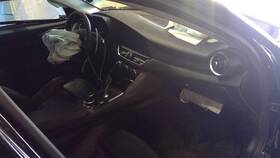
( Brand: Alfa Romeo ), ( Manufacturer Part Number: 2118114 ), ( Model: GIULIA ), ( Genuine Oem: No ), ( Interchange Item Code: 176 ), ( Color: Black ), ( Warranty: 90 Days ), ( Type: Center High Mount Stop Light )
Review ALFA ROMEO Used High Mount Stop Light Giulia Grade fits 2017
The **Alfa Romeo 2118114 Center High-Mount Stop Lamp (CHMSL)** for the **2017 Giulia** is a precision-engineered lighting component designed to elevate both the functionality and aesthetic appeal of this iconic Italian sports sedan. This high-quality, factory-replacement center high-mount light is meticulously crafted to meet Alfa Romeo s stringent design and performance standards, ensuring seamless integration with the Giulia s sleek, angular headlight cluster. Engineered with a durable polycarbonate lens, the CHMSL delivers optimal visibility in low-light conditions while maintaining a sharp, modern appearance that complements the Giulia s aggressive yet refined styling cues. The housing features a robust, corrosion-resistant construction, often incorporating materials like reinforced plastic or metal inserts, to withstand the rigors of daily driving, from urban commutes to spirited highway cruising. Beyond its practical purpose of enhancing rear visibility for other drivers, this light serves as a subtle yet distinctive design accent, reinforcing the Giulia s identity as a vehicle that balances heritage with contemporary sophistication. Whether installed as part of a full restomod project or as a standalone upgrade, the 2118114 CHMSL ensures compliance with regulatory requirements while adding a touch of Alfa s signature flair where performance meets passion.
**Pros and Cons of Buying an Alfa Romeo 2118114 Center High-Mount Stop Light (2017 Giulia)**
### **Pros**
**1. Strong Brand Heritage and Performance**
The Alfa Romeo Giulia, particularly the 2017 model, carries the legacy of Italian automotive craftsmanship known for dynamic handling, engaging driving dynamics, and a distinctive sound. The Giulia s 2.0L Turbo 4-cylinder engine (or 3.0L V6 in higher trims) delivers a good balance of power and efficiency, with the turbocharged unit providing spirited acceleration. The Giulia s rear-wheel-drive layout enhances driver engagement, making it a more enjoyable car to drive than mass-market sedans.
**2. Stylish and Distinctive Design**
Alfa Romeo s design language remains unmistakable, with sharp lines, aggressive styling cues, and a bold front grille. The Giulia s exterior is more refined than its predecessor, the 916, while still retaining Alfa s signature character. The interior is upscale, with premium materials (especially in higher trims like the **TZ**, **QV**, or **Veloce**), including leather seats, wood/aluminum trim, and a well-integrated infotainment system.
**3. Comfortable and Refined Ride**
Despite its sporty nature, the Giulia offers a surprisingly smooth ride, particularly on highways. The suspension tuning strikes a balance between firmness for agility and comfort for daily use. The cabin is well-insulated, reducing road noise, and the seats are supportive yet plush, making long drives more enjoyable.
**4. Decent Fuel Economy for a Turbocharged Car**
Compared to similarly powered German or American sedans, the Giulia achieves reasonable fuel efficiency. The **2.0T** model typically returns around **20-22 MPG combined**, while the **3.0L V6** is closer to **18-20 MPG**. This is respectable for a turbocharged car, though not exceptional.
**5. Reliability Improvements Over Older Alfas**
While Alfa Romeo has historically had reliability concerns, the Giulia (especially the **2017 models**) benefited from updates to the **2.0T engine** (introduced in the 2016 facelift) and **transmission** (6-speed manual or 8-speed automatic). The **3.0L V6** is also more refined than its predecessors. However, long-term reliability still depends on maintenance history and driving conditions.
**6. Strong Resale Value (Compared to Some Rivals)**
Alfa Romeo has seen a resurgence in popularity, and the Giulia holds its value better than many Italian or even some German brands. This means you may recover a higher percentage of your investment when selling or trading in, especially if you maintain it well.
**7. Available Performance and Luxury Options**
- **TZ (Turbo Zeteca)**: Adds a **330-hp V6**, a sportier suspension, and track-focused features.
- **QV (Quadrifoglio Veloce)**: The **400-hp V6** variant, with a limited-slip differential, launch control, and a more aggressive stance.
- **Veloce (2.0T)**: A more affordable but still engaging **265-hp** version with a manual or automatic.
- **Luxury Trims**: Higher trims include **Brembo brakes**, **adaptive dampers**, **premium audio**, and **ambient lighting**.
**8. Unique Driving Experience**
For enthusiasts, the Giulia offers a **more engaging** experience than most mainstream sedans. The steering is precise, the engine revs enthusiastically, and the **TZ/QV models** provide near-GT-level performance. The **8-speed automatic** (in higher trims) is smooth and well-tuned, though not as engaging as a manual.
**9. Good Tech Features for the Price**
The Giulia comes with a **7-inch touchscreen infotainment system** (Apple CarPlay and Android Auto in later models), **Bluetooth**, **USB ports**, and **Alfa s MyKey system** (which allows for personalized driving modes). Higher trims include **head-up display**, **adaptive cruise control**, and **parking sensors**.
**10. Lower Running Costs Than Some Rivals**
Compared to a **BMW 3 Series**, **Audi A4**, or **Mercedes C-Class**, the Giulia s maintenance costs are generally lower, though parts can be pricier due to Alfa s niche status. Regular maintenance (oil changes, timing belt, etc.) is straightforward if done by a reputable mechanic.
---
### **Cons**
**1. High Maintenance Costs**
Alfa Romeo parts and labor are **more expensive** than those of mass-market brands. While the **2.0T engine** is more reliable than older Alfas, it still requires **timing belt changes every 60,000 100,000 miles** (depending on model) and **coolant flushes** more frequently than German cars. The **3.0L V6** is more robust but still not as bulletproof as a BMW or Audi engine.
**2. Reliability Concerns (Especially Early Models)**
The **2017 Giulia** was an improvement over the **2015 2016 916**, but some early models still suffered from:- **Transmission issues** (especially in the **8-speed automatic**), including rough shifts or premature wear.
- **Electrical gremlins** (infotainment glitches, sensor failures).
- **Oil consumption** in the **2.0T engine** (some owners report burning oil, though this is less common in later models).
- **Cooling system failures** (water pump, thermostat, or radiator issues).
**3. Resale Depreciation (Compared to Some Rivals)**
While the Giulia holds value better than many Italian cars, it still depreciates faster than **Toyota Camry**, **Honda Accord**, or even **BMW 3 Series**. If you plan to keep the car long-term, this may not be a major issue, but if you intend to sell after a few years, expect a **lower resale value** than a Lexus or Audi.
**4. Limited Practicality**
- **Rear Seat Space**: The Giulia s rear seats are **narrow and less comfortable** than in a BMW 3 Series or Audi A4, making it less ideal for families or tall passengers.
- **Trunk Space**: The **12.9 cu. ft.** trunk is adequate but smaller than competitors, and the **spare tire** (if included) takes up significant space.
- **Fuel Tank Size**: The **13.2-gallon tank** is smaller than some rivals, meaning more frequent refueling on long trips.
**5. Noise and Vibration Issues**
Some owners report **excessive wind noise** at highway speeds, especially with the **soft-top convertible (if equipped)**. The **2.0T engine** can also produce **engine mounts that wear out**, leading to vibrations at certain RPMs.
**6. Infotainment System Limitations**
While the **7-inch touchscreen** is functional, it lacks the **polish of a BMW iDrive or Audi MMI**. The **navigation system** (if included) can be slow to load, and **wireless CarPlay/Android Auto** was only added in **2018 models**. Lower trims may lack **Bluetooth or USB ports**.
**7. Higher Insurance Costs**
Due to its **performance reputation**, the Giulia (especially the **TZ or QV**) can be **more expensive to insure** than a similar BMW or Audi. This adds to the **total cost of ownership**.
**8. Limited Availability of Parts and Mechanics**
Finding **specialist Alfa Romeo mechanics** can be difficult outside major cities. While Alfa dealerships exist, they are **not as widespread as BMW or Audi**, meaning repairs may require **longer wait times or shipping parts**.
**9. Potential for Hidden Issues in Used Models**
When buying a **used 2017 Giulia**, it s crucial to:- Check **service records** (especially for **timing belt, oil changes, and cooling system maintenance**).
- Inspect for **oil leaks** (common around the **valve cover gasket**).
- Test the **transmission** for **rough shifts or delayed engagement**.
- Verify **electrical components** (lights, sensors, infotainment).
**10. Not as Refined as German Luxury Sedans**
While the Giulia is **more engaging to drive**, it doesn t match the **silent cabin**, **suspension smoothness**, or **build quality** of a **BMW 3 Series**, **Audi A4**, or **Mercedes C-Class**. If **luxury and comfort** are your top priorities, these brands may be better choices.
---
### **Conclusion and Recommendation**
**Who Should Buy a 2017 Alfa Romeo Giulia?**
The **2017 Giulia** is an **excellent choice** for:- **Enthusiasts** who want a **fun, engaging, and stylish** driving experience without the price tag of a **Porsche 911** or **Aston Martin**.
- **City drivers** who appreciate **agile handling** and **sporty dynamics** but still want a **comfortable daily driver**.
- **Owners who prioritize driving pleasure over absolute reliability** and are willing
Details:
Experience convenience, great value, and expert advice all under one roof. This ensures no problems when going to install the part. Once a request has been filed, our ability to assist and provide resolution options becomes more limited.
part #: 2118114 prices
- $43.99-$129.55
specifications lightinglam:
- for makes: Alfa
- for years: 2017
- brand: Alfa Romeo
- mpn: 2118114
- model: Giulia
- genuine oem: No
- interchange item code: 176
- color: Black
- warranty: 90 Days
- type: Center High Mount Stop Light
payments lightinglam:
- wallet: Paypal
- credit card: Mastercard
- other
general lightinglam:
- condition: Used
- Car Truck Parts Accessories > Lighting Lamps > Third Brake Light Assemblies
seller lightinglam:
- city: Waynesboro, Pennsylvania
- rating: 100.0%
- # reviews: 36
shipping lightinglam:
- service: UPS Ground
- carrier: UPS
- transit: 3-8 Days
- type: Fixed
- cost: $0.00
- class: Standard
returns lightinglam:
- time: 30 Days
- policy: Returns Accepted
- paid by: Buyer
offer lightinglam:
- quantity: 1
- availability: In Stock
- options: Ship-to-home
- started: April 22, 2026
- sold: 0
Alfa Romeo 2118114 Is Similar To:
- 00605-56778-0000 Alfa Romeo Oem Nos (26.8% similar) Part number. New left front marker lamp that goes for your Alfa Romeo spider. Integrated,lens, bulb, and socket. Comes sealed in the original plastic. All other instances pay actual postage. Free insured shipping via USPS or FedEx ground to address in us...(June 5th, 2017)
- 105.02.65.078.01-02 Alfa Romeo Step Nose Giulia Sprint Gtv New Pair Clear (34.7% similar) ...(July 25th, 2018)
- 11.358.716 Alfa Romeo Spider Turn (30.9% similar) Will fit other years good condition except for broken support stand-off in the middle see 3RD picture. Can be repaired by bonded in place I think rather easily. Alfa Romeo spider front turn indicator and parking light lens Carrillo for right side passenger from slight surface crack on but does not ...(July 29th, 2017)
- 161144505501 Alfa Romeo Milano Lamp Light Control Unit Black Box (39.7% similar) Up for sale is 1 good used original control unit all dash and exterior lamps lights Alfa Romeo Milan model's. Part this control unit mounts under the dash and is made by vigil...(August 9th, 2018)
- 18460580 Carello Alfa Romeo Reverse Light Housing Used (38.2% similar) Used housing could use some restoration, untested. See images for condition...(October 8th, 2018)
- 1750cc Romeo Headlamp Trim 2000cc Rings Gtv Alfa (28.8% similar) However this is a very solid pair of original trim rings. Trim rings sold as pictured. These trim rings are solid and in good physical condition. You pay for shipping. Cosmetically they have dulled and do have some lite rust staining. A good cleaning would do well but how much of the shine would ...(September 11th, 2015)
- 2000partsbook-71-4 Alfa Romeo Spider Gt Veloce Body Parts Manual Book Original (33.5% similar) Up for sale is 1 very rare original body and interior parts catalog book all Alfa Romeo spider Velez model's. It weighs almost 4 pounds...(July 14th, 2018)
- 21.5730 Alfa Romeo Spider 1973 (31.8% similar) Good condition. Alfa Romeo spider rear turn signal lens, left side from P/N oem not after mart...(July 29th, 2017)
- 36040716 Alfa Romeo Carello Oem Right Passenger Front Turn Signal Marker (32.2% similar) Front turn signal marker light lens only. Part is made by Carrillo number reference a few cosmetic flaws in plastic Alfa Romeo 164 oem right passenger us. Lens is in mostly good clean condition, includes the rubber gasket...(April 11th, 2018)
- 36040748 Alfa Romeo Carello 164 (29.6% similar) I will combine multiple won items to save on shipping costs. See my other listings for 164 parts. It is new, but does not come with original box, dusty and may have some very light shelf wear...(May 6th, 2017)
- 36050716 Alfa Romeo Carello Oem Left Driver Front Turn Signal Marker (38.6% similar) Part is made by Carrillo number reference 27. Light is in very good clean condition, plastic clear, reflector bright, both slider tabs intact 1 clip tab. 1 clip tab broken.s Alfa Romeo 164 oem left driver us. Front turn signal marker light...(April 11th, 2018)
