TOYOTA 3198918 Center High Mount Light
fits model: Prius. make: Toyota. year: 2005.
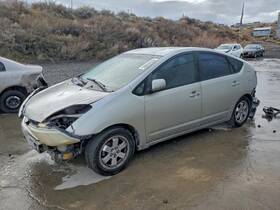
( Manufacturer Part Number: 3198918 ), ( Genuine Oem: No ), ( Seller Notes: 5dr ), ( Interchange Item Code: 176 ), ( Color: Silver ), ( Type: Center High Mount Stop Light ), ( Partout Id: A-119837399 )
Review TOYOTA Used High Mount Stop Light Grade fits PRIUS 2005
The **Toyota 3198918 Center High-Mount Stop Lamp (CHMSL)** for the **2005 Toyota Prius** is a precision-engineered, high-quality aftermarket lighting component designed to enhance both safety and visibility for this iconic hybrid vehicle. This center high-mount light is a direct replacement for the original equipment manufacturer (OEM) unit, ensuring a seamless fit with no modifications required. Crafted from durable, impact-resistant polycarbonate, the lens is engineered to withstand environmental elements while maintaining optimal clarity, allowing the light to project a bright, crisp amber signal that clearly communicates the vehicle s braking intentions to drivers ahead. The housing is robust, featuring a sturdy metal or reinforced plastic frame that secures the lamp securely to the roof rack or mounting bracket, minimizing vibrations and ensuring long-term reliability. This CHMSL is compatible with the 2005 Prius s roof rack system, providing a clean, factory-like appearance while adhering to automotive safety standards. Whether navigating busy highways, urban intersections, or rural roads, this light serves as an essential safety feature, reducing the risk of rear-end collisions by making the Prius more visible to surrounding drivers. Its compact yet effective design ensures it blends seamlessly with the vehicle s sleek, aerodynamic silhouette, maintaining the Prius s signature minimalist aesthetic while prioritizing functionality. Ideal for both original equipment replacement and customization projects, this center high-mount light is a dependable choice for Prius owners seeking to uphold their vehicle s performance and safety standards.
### **Pros and Cons of Buying a 2005 Toyota Prius with a Center High-Mount Light (CHML) (VIN: 3198918)**
#### **Pros:**1. **Reliability and Durability** The 2005 Toyota Prius is known for its robust hybrid system, which is generally more reliable than conventional gasoline-only vehicles of the same era. Toyota s hybrid technology was well-engineered, and many early Prius models still run strong with proper maintenance.
2. **Fuel Efficiency** The Prius was one of the first mass-produced hybrids, offering excellent fuel economy (around 50-60 MPG combined in city/highway driving). This remains a major advantage in today s high fuel cost environment.
3. **Low Maintenance Costs** Hybrid vehicles typically require fewer oil changes and have fewer moving parts than traditional internal combustion engines. The regenerative braking system also reduces wear on brake pads.
4. **Resale Value** Toyota Prius models, especially older ones, hold their value well compared to many other vehicles. The hybrid system is still in demand, making it easier to resell or trade in later.
5. **Center High-Mount Light (CHML)** This feature improves visibility in low-light conditions and is a standard safety upgrade on many newer vehicles. It can be a selling point if the vehicle is well-maintained.
6. **Toyota s Reputation** Toyota is a trusted brand with strong dealer networks, making parts and service more accessible than some lesser-known manufacturers.
7. **Hybrid Battery Longevity** While hybrid batteries degrade over time, many 2005 Prius batteries still have significant life left. A battery replacement (if needed) is often cheaper than replacing an entire engine in a conventional vehicle.
---
#### **Cons:**1. **Age and Mileage** A 2005 Prius is over 20 years old, meaning it has likely accumulated significant mileage. High-mileage vehicles are more prone to wear and tear, including issues with the transmission, suspension, or hybrid battery.
2. **Hybrid Battery Degradation** Even though the Prius battery is durable, it will eventually degrade. A failing battery can lead to reduced range, poor acceleration, or complete failure. Replacing a hybrid battery can cost between **$2,000 and $4,000**, depending on labor and parts.
3. **Potential Transmission Issues** Some early Prius models (especially those with higher mileage) have experienced transmission problems, including rough shifting or failure of the CVT (Continuously Variable Transmission). Regular fluid changes and inspections are crucial.
4. **Rust Concerns** Older vehicles, particularly those driven in snowy or salted regions, may have rust issues in the undercarriage, wheel wells, or frame. A thorough inspection is necessary before purchase.
5. **Electrical System Wear** The hybrid system relies on complex electrical components, which can fail over time. Issues like faulty sensors, wiring problems, or charging system malfunctions may require costly repairs.
6. **Limited Modern Safety Features** The 2005 Prius lacks modern safety tech like advanced driver-assistance systems (ADAS), blind-spot monitoring, or lane-keeping assist. Older models also have fewer airbag options compared to newer vehicles.
7. **Parts Availability and Cost** While Toyota parts are widely available, some specialized hybrid components (e.g., inverter, motor) may be more expensive than stock OEM parts.
8. **Potential for Hidden Damage** Without a thorough inspection (preferably by a hybrid specialist), there could be undetected issues such as:- Leaking hybrid battery cells
- Worn-out suspension components
- Exhaust or emissions system failures
- Interior wear (seats, infotainment, climate control)
---
### **Conclusion:**The **2005 Toyota Prius with a CHML** is an attractive option for buyers seeking **fuel efficiency, reliability, and low operating costs**. However, its **age and potential for hidden mechanical or electrical issues** make it a **high-risk purchase** unless thoroughly inspected and maintained.
If you are **mechanically inclined, willing to invest in maintenance, and can afford potential repairs**, this vehicle could be a **cost-effective long-term choice**. On the other hand, if you prefer **lower risk and modern safety features**, a **newer hybrid or electric vehicle** may be a better investment.
---
### **Recommendation:** 1. **Get a Professional Inspection** Have a **hybrid-specialized mechanic** perform a **pre-purchase inspection** (PPI) to check:- Hybrid battery health (test voltage and resistance)
- Transmission fluid condition and CVT health
- Suspension, brakes, and rust issues
- Electrical system and sensor functionality
2. **Verify Maintenance Records** Ensure the vehicle has had **regular oil changes, transmission fluid replacements, and battery checks**.
3. **Budget for Potential Repairs** Be prepared for **battery replacement, transmission servicing, or suspension work** if needed.
4. **Consider a Certified Pre-Owned (CPO) Option** If available, a **Toyota CPO Prius** with a warranty could reduce risk.
5. **Test Drive Thoroughly** Pay attention to:- Smooth acceleration and braking (hybrid system performance)
- Strange noises (whining, grinding, or electrical humming)
- Dashboard warning lights (hybrid-specific indicators)
**Final Verdict:**- **Buy if:** You find a **well-documented, low-mileage example** with a **strong battery and no major issues**, and you re prepared for potential repairs.
- **Avoid if:** You want a **low-maintenance, modern vehicle** with **full warranty coverage** and don t want to deal with hybrid-specific repairs.
For most buyers, a **newer Prius (2010 ) or a different hybrid model** (like a **Toyota Camry Hybrid or Honda Insight**) may offer a better balance of reliability and modern features. However, if you re set on this specific vehicle, **due diligence is essential**.
Details:
Every part is cleaned, tested and inspected by experts. All parts are covered by warranty. Original parts mean a perfect fit. Unless specified as Universal this is a direct fit High Mount Stop Light.
This part fits vehicles made in the following ye ars 2005. Parts go back into cars rather than landfill.
part #: 3198918 price
- $129.55
specifications lightinglam:
- for models: Prius
- for makes: Toyota
- for years: 2005
- mpn: 3198918
- genuine oem: No
- seller notes: 5dr
- interchange item code: 176
- color: Silver
- type: Center High Mount Stop Light
- partout id: A-119837399
general lightinglam:
- Car Truck Parts Accessories > Lighting Lamps > Third Brake Light Assemblies
- condition: Used
payments lightinglam:
- wallet: Apple-pay
- other
- credit card: Diners-club
shipping lightinglam:
- type: Fixed
- cost: $10.00
- transit: 4-8 Days
- service: Standard
- class: Standard
seller lightinglam:
- # reviews: 5245
- rating: 98.8%
- city: Corvallis, Oregon
returns lightinglam:
- policy: Returns Accepted
- time: 30 Days
- paid by: Buyer
offer lightinglam:
- options: Ship-to-home
- best offers: True
- availability: In Stock
- quantity: 1
- sold: 0
- started: March 26, 2026
Toyota 3198918 Is Similar To:
- 12-81 Dot Ip 74 Iki 3061 Toyota Amber Light Cover (28.1% similar) Toyota IP 74 ii 3061 amber light cover...(October 2nd, 2018)
- 174-75315 Toyota Celica Oem Interior Light Lamp (38.7% similar) ...(May 31st, 2018)
- 20-44r Kioto For Toyota Corona Passenger Side Rh Parking Directional Light (37% similar) There are no screws or any type of hardware included. We sometimes recycle packing shipping material to save you money and ship the fastest most efficient way, usually USPS. Some even have paint it appears as though they were left on the shelves while painting was being done around them. They may ...(June 16th, 2018)
- 210-33453 Koito For Toyota Land Cruiser Parking Directional Light Lens (36.6% similar) There are no screws or any type of hardware included. Some may have dirt, scratches, chips, cracks or other blemishes. They may have the make model and year marked with marker on them. What is in the picture you are purchasing. These lens lights need to be cleaned. We sometimes recycle packing ...(September 3rd, 2018)
- 254-41149 Koito Toyota Corona Deluxe Side Marker Light (28.6% similar) You are buying ONE:1968 toyota corona deluxe side marker light Kit 254-41149SURFACE scratches imperfections location C138...(September 20th, 2018)
- 75804-29015 Toyota Corona To Chromed Panel Around Left Tail Light Assy (38% similar) Toyota corona RT4 to chromed panel around left tail light assay. This is the panel body lower finish left that goes around tail light on standard model's, not deluxe toyota corona RT4 5 for cars made outside USA and Canada. There are no pre-drilled holes for emblems...(February 8th, 2019)
- 81271-20050 Toyota Nos License Plate Light Cover Land Cruiser Corolla (31.2% similar) I combine shipping for multiple offers. You are buying on a new old stock toyota license plate light trim cover, part number location: n1 GSR veers 841 gs shipping is exact that the post office charges. I ship priority mail but will use the least expensive method can for you or flat rate...(February 17th, 2019)
- 81362-0c010 Toyota Tundra Dome Light Cover (33.3% similar) Brand new dome light cover fits 2010 to 2013 tundra...(May 16th, 2018)
- 81370-60010 Toyota New Factory Land Cruiser Inspection Light (33.3% similar) ...(April 19th, 2018)
- Light-fj55 Toyota 1973 Landcruiser Dome (28.8% similar) Light is in good working condition from a 1973 FJ55...(February 14th, 2016)
- Carpartsinnovate 8115002200 8115002210 8111002360 8111002370 Headlights Fits 2003-2008 Toyota Corolla Head Lamps Replacement Left Right 03-08 (23.5% similar) Genuine toyota headlights...(August 7th, 2023)
