LITTLEFUSE BUZZ ELDERMANN TWR AGA1 Nos Buss Fuse Volts AGA2 AGA3 AGA5 AGC2 AGC3 AGC4 AGC5 AGC7 AGC10 1930S 1940S 1950S 1960S 1970S 6-12 SFE4 SFE6 71-2 SFE14 SFE20 SFE30
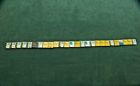
( Brand: Littlefuse Buzz Eldermann Twr ), ( Manufacturer Part Number: AGA1 ), ( Part Type: Fuse ), ( Country/region Of Manufacture: United States ), ( Surface Finish: Glass Metal )
Review LITTLEFUSE BUZZ ELDERMANN TWR Nos Lot 1930s 1940s 1950s 1960s 1970s Buss Fuse 6-12 Volts 71-2
The AGC10 NO series fuses from Littlefuse are a versatile and reliable choice for various applications. These fuses are known for their extensive use in the 1930s to the 1970s, particularly in electrical systems. They are designed to protect electrical circuits against overcurrent, ensuring the safety and longevity of your electrical equipment.
The AGC10 NO series includes a variety of fuse types, such as AGA1, AGA2, AGA3, AGA5, AGC2, AGC3, AGC4, AGC5, AGC7, Buzz, Eldermann SFE4, SFE6, 71-2, SFE14, and SFE20/SFE30. Each type is designed to handle a specific voltage range, from 6 volts to 12 volts, making them suitable for a wide array of applications.
The AGA and AGC series fuses are known for their high rupturing capacity, ensuring reliable performance even under heavy current loads. The Eldermann SFE series, on the other hand, offers a more compact design, making them ideal for space-constrained applications.
These fuses are also known for their long service life, ensuring minimal maintenance and replacement costs over time. They are made with high-quality materials and undergo rigorous testing to ensure they meet the highest standards of safety and reliability.
In summary, the AGC10 NO series fuses from Littlefuse are a reliable and versatile choice for protecting electrical circuits. Whether you're looking for a fuse for a vintage car, a home appliance, or an industrial application, these fuses are a reliable and cost-effective solution.
The AGC10 fuses from Littlefuse, specifically the AGA1, AGA2, AGA3, AGA5, AGC2, AGC3, AGC4, AGC5, AGC7, Buzz, Eldermann, and SFE4, SFE6, 71-2, SFE14, SFE20, SFE30, are used primarily for circuit protection in electrical systems. Here are some pros and cons of buying these fuses:
Pros:1. Reliability: Littlefuse is a reputable brand known for its high-quality products. These fuses are designed to protect electrical circuits from overcurrent, which can prevent damage to the circuit and potential electrical fires.
2. Variety: The AGC10 series offers a wide range of fuses with different amperage ratings (from 6 to 12 volts) and types (AGA, AGC, Buzz, Eldermann, SFE) to suit various electrical applications.
3. Safety: Fuses provide a safe and simple method of circuit protection. They automatically interrupt the circuit when the current exceeds the rated value, preventing damage to the circuit and potentially saving lives and property.
4. Cost-effective: Fuses are generally less expensive than circuit breakers and are easy to replace.
Cons:1. Limited Protection: Fuses offer only basic overcurrent protection. They do not provide protection against short circuits, ground faults, or overvoltage.
2. Limited Lifespan: Fuses have a limited lifespan and will need to be replaced periodically.
3. Manual Reset: Fuses require manual resetting after a fuse blow, which can be time-consuming and inconvenient.
4. Limited Applications: Fuses are not suitable for all electrical applications. They are not recommended for high-power applications or applications where a quick circuit reset is required.
Conclusion:The AGC10 fuses from Littlefuse are a reliable and cost-effective option for basic overcurrent protection in electrical systems. They are suitable for various applications, but they do have limitations in terms of protection and lifespan. Therefore, it is essential to consider the specific application and electrical requirements before making a purchase decision.
Recommendation:If you are looking for a reliable and cost-effective fuse for basic overcurrent protection, the AGC10 series from Littlefuse is a good option. However, it is essential to choose a fuse with the appropriate amperage rating and type for your specific application. Consult a qualified electrician or electrical engineer if you are unsure about the appropriate fuse for your electrical system.
Details:
This is a large lot of mostly 6 volt, and some 12 volt car truck fuses used from the 1930 thru 1970's. 6-aga-1 5-agc-2 5-age-15 5-Ag-20 5-heft-1 5-sfe-44-aga-2 6-agc-3 5-Ag sfe-65-aga-3 5-agc-4-Ag-30 5-sfe aga-5-agc-5 3-sfe-14 5-agc sfe-20 5-agc-10 5-sfe-30 4-agc-15 3-sfe-14bp 5-agc-20 5-agc-30 4-agc-30bp.
part #: aga1 prices
- $6.50-$17.00
specifications lightinglam:
- brand: Littlefuse Buzz Eldermann Twr
- mpn: Aga1
- part type: Fuse
- country/region of manufacture: United States
- surface finish: Glass Metal
Returns lightinglam:
- paid by: Buyer
- policy: returns accepted
- type: Money Back
- time: 30 Days
Offer lightinglam:
- Sold: 0
- Started: July 22, 2018, 8:38 pm
- best offer: false
- quantity: 1
- bids: 0
Payments lightinglam:
- PayPal
General lightinglam:
- motors > parts accessories > vintage car truck parts > lighting lamps motors > other lighting lamps vintage car truck parts
- condition: New other see details
- in stock: Yes
Ratings:
- TOP NOTCH BUYER, AT ITS VERY BEST 07-20-18
- i received it. Thank you 07-19-18
- Great fast payment 07-22-18
- Nice product, would buy from again. AAA 07-19-18
- Nice useable part 07-20-18
Shipping lightinglam:
- cost: $5.0
- type: Flat
- handling: 1 days
Seller lightinglam:
- city: Lewisville, Texas
- zipcode: 75077
